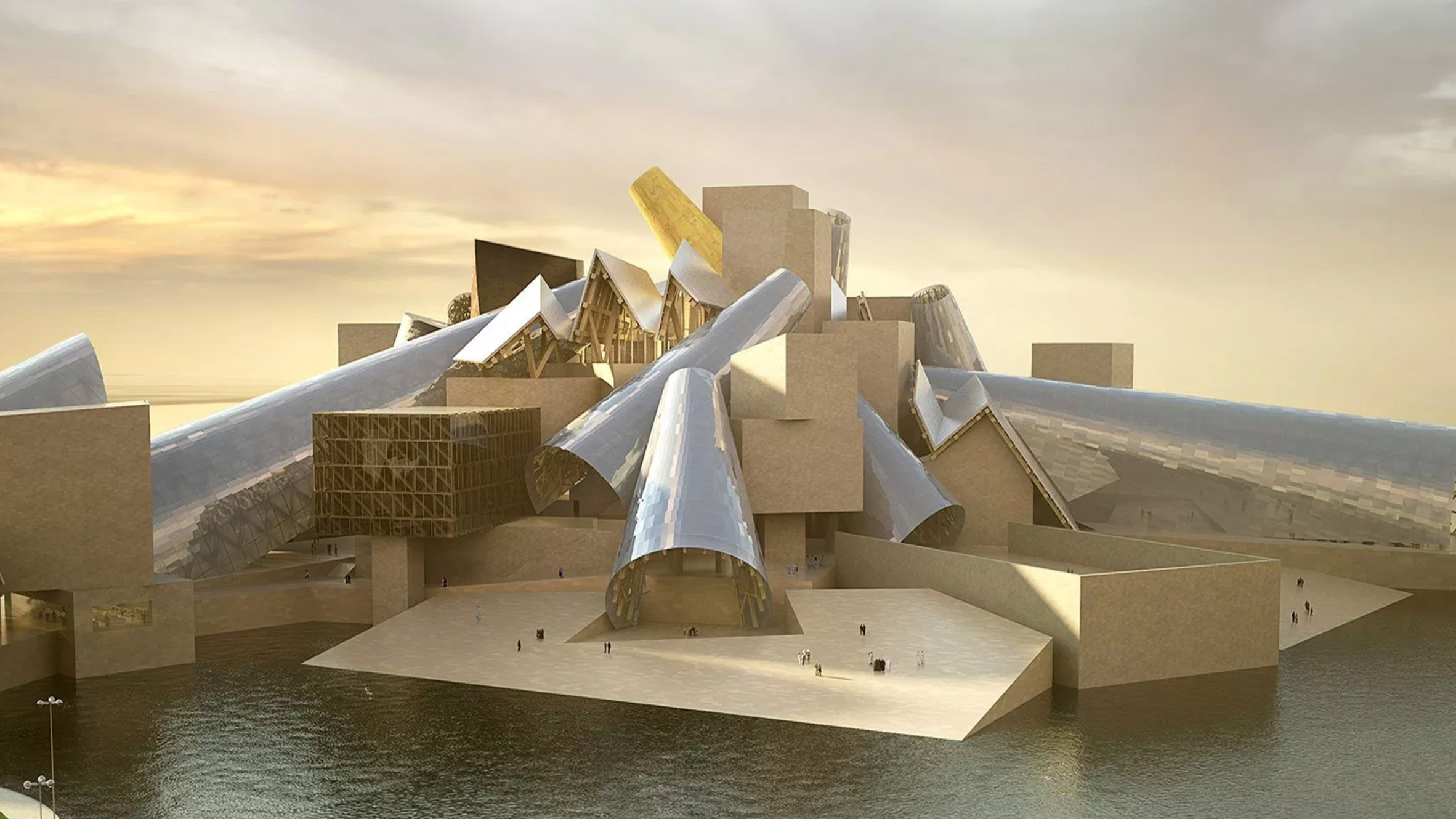
Before the Doors Open: Why the Guggenheim Is Already Repricing Abu Dhabi Real Estate Discover how the Guggenheim Abu Dhabi opening could …
A password will be e-mailed to you

Before the Doors Open: Why the Guggenheim Is Already Repricing Abu Dhabi Real Estate Discover how the Guggenheim Abu Dhabi opening could …
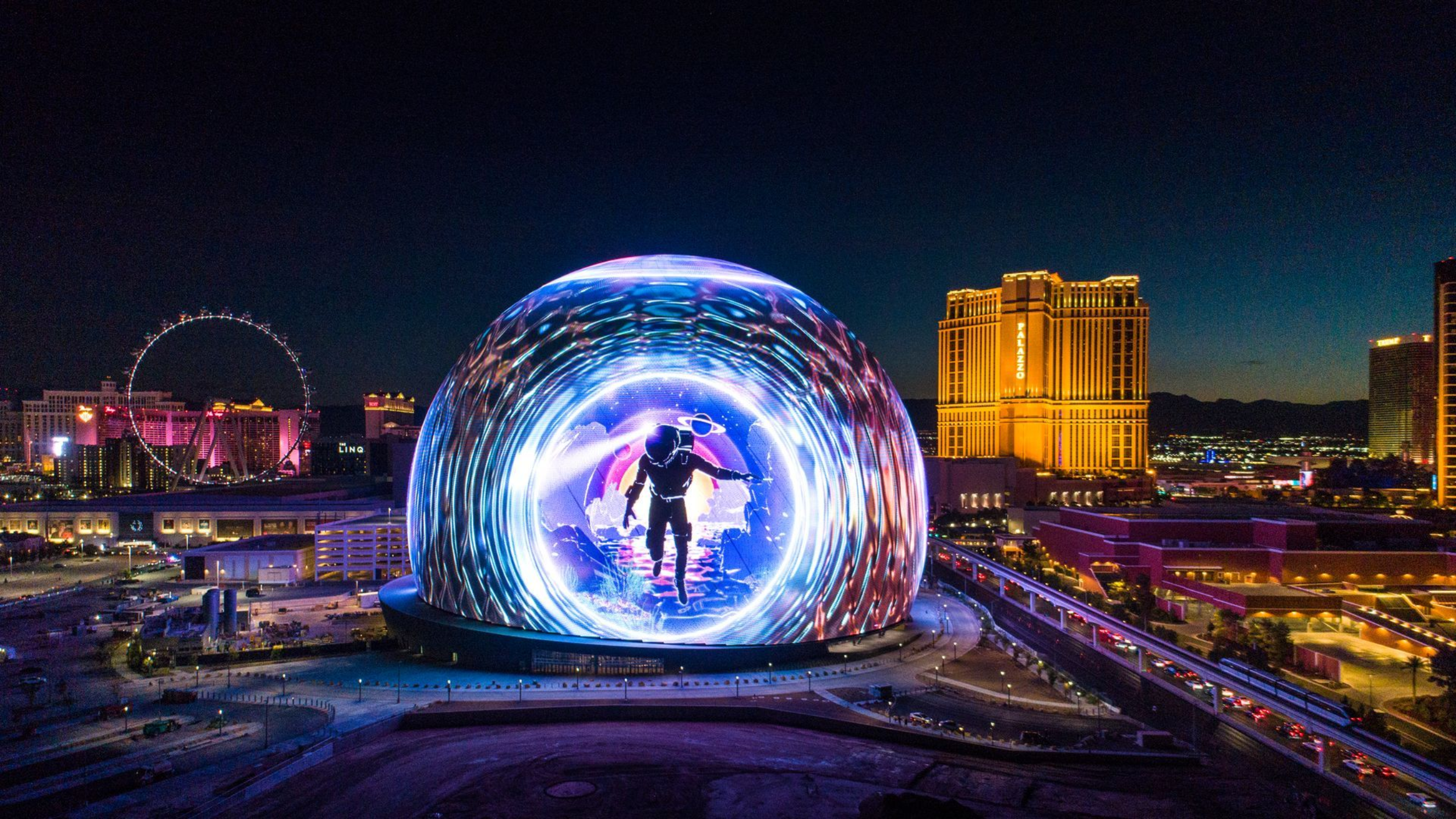
The official announcement of the launch of the Sphere project in Abu Dhabi will influence the real estate market in Abu Dhabi, …
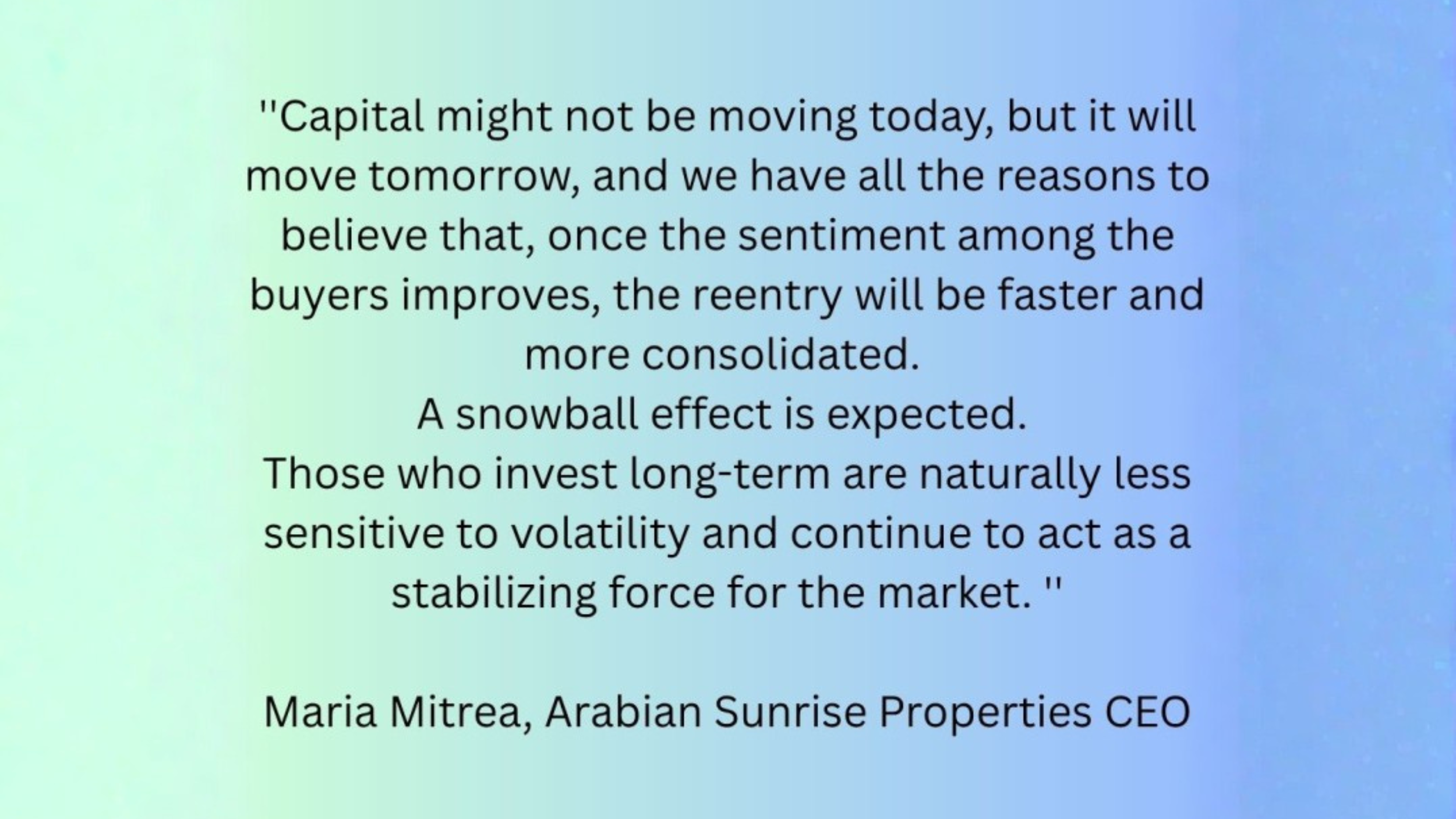
The real estate market in Dubai enters a new stage amid raised global uncertainty, with buyers taking more time before signing. Now, …
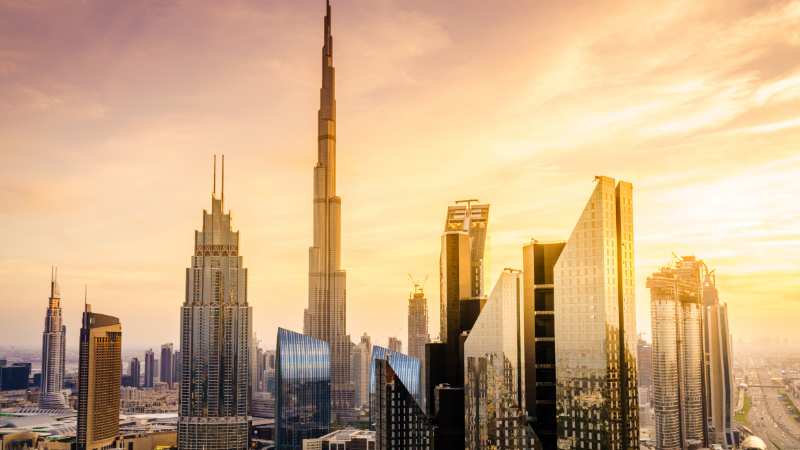
Dubai 2026 real estate market: resilience and opportunities amid regional unrest Dubai enters 2026 with a resilient real estate market after one …
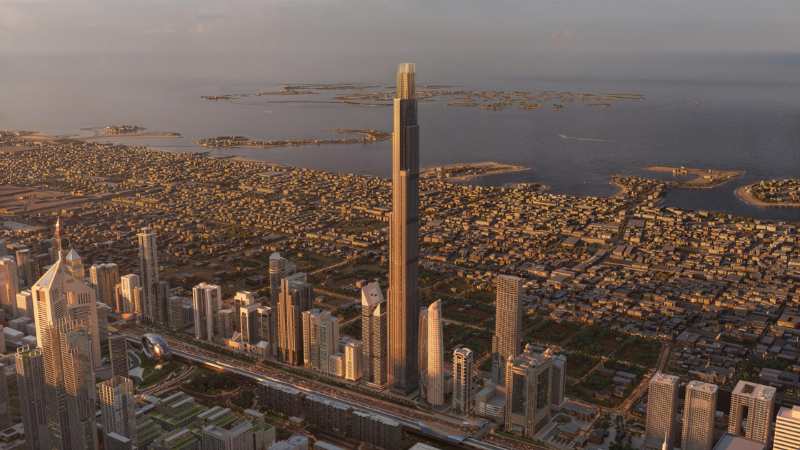
How much will an apartment in Burj Azizi cost? Dubai is going to host the second-tallest building of the world, as Azizi …
Off-plan sales accounted for approximately 58% of total volume, signaling that buyers aren’t just purchasing existing properties: they’re betting heavily on future supply.
Dubai’s real estate market just posted a number that would have seemed absurd five years ago: $78 billion in total property sales during the first half of 2026. That figure represents not just a new benchmark but a confirmation that the emirate’s property market has entered a fundamentally different era. For context, the entire year of 2023 produced roughly $100 billion in transactions. Now, a single half-year is closing in on that annual total. Whether you’re an active investor, a prospective buyer, or simply watching from the sidelines, the forces behind this surge deserve a closer look. Dubai property sales hit record levels in H1 2026, and the implications stretch far beyond the local market, reshaping how global capital flows into Middle Eastern real estate.
The $78 billion figure is staggering on its own, but the composition of those transactions tells a richer story. Off-plan sales accounted for approximately 68% of total volume, signaling that buyers aren’t just purchasing existing properties: they’re betting heavily on future supply. Ready property transactions, meanwhile, showed surprising resilience, particularly in the luxury segment where villas and penthouses traded at prices that would make London and New York brokers raise an eyebrow.
Transaction volume crossed 110,000 deals in the first six months, a 27% increase over H1 2025. The average transaction value also climbed, suggesting this isn’t simply more deals at the same price point but a genuine escalation in what buyers are willing to pay. The Dubai real estate market’s performance in H1 2026 reflects a market firing on all cylinders: strong demand, constrained prime supply, and an expanding investor base.
Several forces converged to produce this outcome. The most significant is population growth. Dubai added an estimated 150,000 new residents in 2025 alone, and the pace hasn’t slowed in 2026. Many of these arrivals are high-income professionals relocating from Europe, South Asia, and increasingly from sub-Saharan Africa. They need housing, and they tend to buy rather than rent.
Government policy continues to play a catalytic role. The expansion of golden visa categories, the introduction of freelancer and remote-worker permits, and the UAE’s zero income tax environment create a pull effect that few global cities can match. Interest rates have also eased modestly from their 2024 peaks, making mortgage-financed purchases more attractive.
Looking at the half-year data since 2022, the growth trajectory is striking. H1 2022 saw roughly $38 billion in sales. H1 2023 pushed past $48 billion. H1 2024 reached $56 billion, and H1 2025 came in at approximately $63 billion. The jump to $78 billion in H1 2026 represents a 24% year-over-year increase, the largest percentage gain since the post-pandemic recovery surge of 2022.
What separates this cycle from previous Dubai booms is the breadth of participation. Earlier cycles were driven heavily by speculative flipping in a handful of communities. The current market features genuine end-user demand across dozens of neighborhoods, a much healthier foundation for sustained growth.
The distribution of sales across communities reveals where confidence and capital are concentrated. Some of the highest-selling residential communities in Dubai in 2026 are familiar names, but a few emerging areas have broken into the top tier for the first time.
Dubai Marina, Downtown Dubai, and Business Bay continue to dominate secondary market transactions. These established communities benefit from completed infrastructure, walkability, and strong rental yields that attract both end-users and investors. Palm Jumeirah, predictably, leads in total transaction value thanks to its ultra-luxury villa and apartment sales.
Off-plan property sales amounted to AED 139.8 billion ($38.1 billion), with 58,800 transactions.
The off-plan market has been particularly active in Dubai South, where proximity to Al Maktoum International Airport’s expansion project has created a speculative and end-user frenzy. Emaar’s projects in Dubai Creek Harbour continue to sell out within hours of launch, sometimes minutes. Damac Islands and Sobha Hartland II have also posted exceptional off-plan volumes.
A newer entrant worth watching is the Rashid Yachts and Marina district, where waterfront apartments have attracted European buyers at price points between AED 2-5 million. Developers have learned from previous cycles and are staggering payment plans across 5-7 years, making entry more accessible and reducing the risk of mass defaults.
Emirates Hills and District One remain the trophy addresses for ultra-high-net-worth buyers. Resale activity in these communities has been brisk, with several villas changing hands above AED 100 million in Q1 and Q2 2026. Jumeirah Golf Estates and Al Barari have also seen significant price appreciation in the secondary market, driven by scarcity and the lifestyle appeal of low-density living.
One trend worth flagging: secondary-market transactions in established communities are increasingly happening off-market. Brokers report that roughly 30% of high-value deals in 2026 never appeared on public listing platforms, a sign that the market’s upper echelon operates more like private equity than traditional real estate.
The villa segment has been the standout performer of this cycle. Luxury villa price appreciation in Dubai throughout 2026 has outpaced apartments by a wide margin, with prime villa prices climbing 18-22% year-over-year compared to 10-14% for apartments in comparable locations.
This gap reflects a structural shift in buyer preferences that accelerated during the pandemic and never reversed. Families relocating to Dubai overwhelmingly prefer villas with gardens, private pools, and dedicated parking. The supply of such properties in prime locations is inherently limited, creating persistent upward pressure on prices.
Palm Jumeirah’s freehold villa stock is essentially fixed. No new land is being created, and the handful of remaining plots command extraordinary premiums. Signature villas on the fronds that sold for AED 15-20 million in 2020 now trade above AED 60 million. Tilal Al Ghaf and Mohammed Bin Rashid City are absorbing some of this demand, but their waterfront or lagoon-adjacent inventory is also thinning rapidly.
The scarcity dynamic extends to Jumeirah Bay Island, where branded residences from Bulgari command per-square-foot prices that rival Monaco. With no realistic way to increase supply in these micro-markets, prices are likely to keep climbing until they hit a natural ceiling set by global ultra-luxury benchmarks.
Rental yields on luxury villas have compressed somewhat as capital values have surged, but they remain attractive by global standards. Prime villas in Dubai currently yield 4-5% gross, compared to 2-3% in London and 1.5-2.5% in Hong Kong. For investors focused on total returns (yield plus appreciation), the math has been compelling.
The real opportunity for high-net-worth investors lies in value-add strategies: purchasing older villas in prime locations, renovating them to modern specifications, and either selling or renting at a premium. This approach has generated 30-40% returns over 18-month cycles for several family offices operating in the Dubai market.
Foreign investor trends in the UAE property market have shifted meaningfully over the past two years. The buyer profile is no longer dominated by Indian and British nationals, though both groups remain significant. European, Chinese, and increasingly African buyers have reshaped the demand landscape.
Chinese buyers, who were relatively absent during 2020-2023, have returned in force. Relaxed outbound travel and investment policies, combined with disillusionment with domestic Chinese real estate, have pushed substantial capital toward Dubai. African buyers, particularly from Nigeria, Kenya, and South Africa, represent the fastest-growing demographic segment.
Israeli buyers have become a notable presence since the Abraham Accords, and their activity has grown each year. Latin American investors, particularly from Brazil and Colombia, are also entering the market, often through golden visa pathways. These newer demographics tend to favor mid-range apartments in the AED 1-3 million bracket, adding volume to communities like JVC, Dubai Hills Estate, and Arjan.
The diversification of the buyer base is a structural positive for market stability. When demand comes from 15-20 different nationalities rather than 3-4, the market becomes less vulnerable to economic shocks in any single country.
The 10-year golden visa program, expanded in 2024 to include property purchases above AED 2 million, has been a powerful stabilizer. Visa holders are less likely to flip properties quickly because their residency status is tied to ownership. This creates a built-in holding period that dampens speculative volatility.
Data from the Dubai Land Department suggests that golden visa holders have an average property holding period of 4.7 years, compared to 2.1 years for non-visa-linked purchases. That difference matters enormously for market health. Long-term holders reduce transaction churn and create more predictable rental supply, benefiting tenants and landlords alike.
The question on everyone’s mind: can the second half match the first? Maria Mitrea, Arabian Sunrise Properties CEO, stated: “The results shown by the sector in the first half of 2026 are a testament to Dubai’s resilience and a catalyst for future growth. Investors’ appetite remains strong for Dubai and the UAE, in general. That said, several factors could push numbers even higher at the end of 2026. Expo City Dubai’s ongoing development is attracting new corporate relocations, at the same time coupled with an increase in population. On the other hand, the expansion of Al Maktoum International Airport, set to become the world’s largest, continues to drive genuine demand in surrounding communities. And if global interest rates decline further, mortgage-financed purchases could accelerate.“
The record that Dubai property sales set in H1 2026 isn’t a fluke or a bubble signal. It reflects a city that has successfully repositioned itself as a global hub for talent, capital, and lifestyle. Risks remain: oversupply in certain mid-market segments, potential regulatory tightening, and the ever-present possibility of a global economic shock. But the structural demand drivers are real, diversified, and likely to persist well into 2027 and beyond. For investors and homebuyers weighing their options, the window of relative value in prime Dubai real estate is narrowing with each quarter.
A password will be e-mailed to you