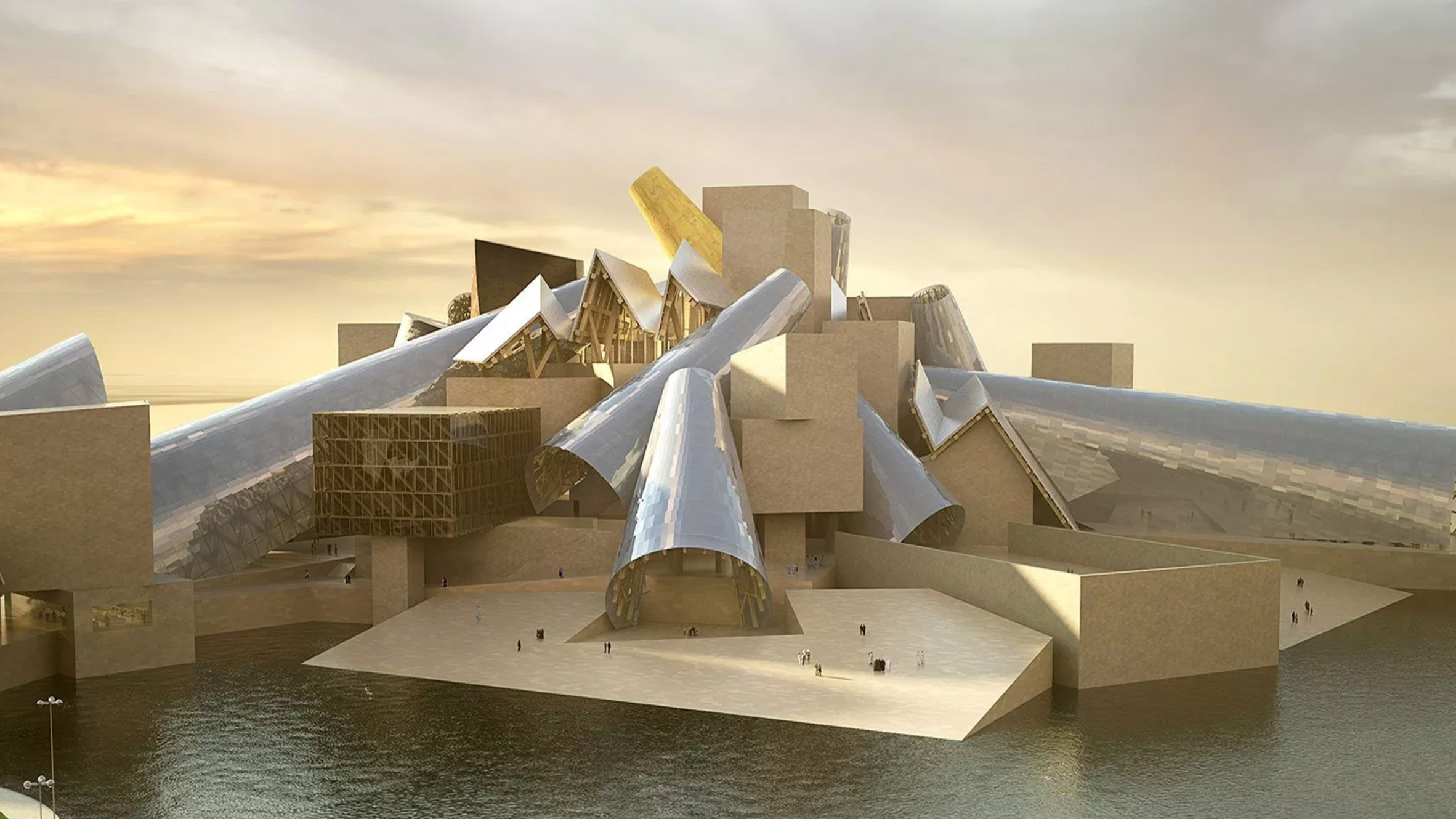
Before the Doors Open: Why the Guggenheim Is Already Repricing Abu Dhabi Real Estate Discover how the Guggenheim Abu Dhabi opening could …
A password will be e-mailed to you

Before the Doors Open: Why the Guggenheim Is Already Repricing Abu Dhabi Real Estate Discover how the Guggenheim Abu Dhabi opening could …
Property sales in Dubai reach $78bn in H1 2026 But how does that impact current and prospective investors? Dubai’s real estate market …
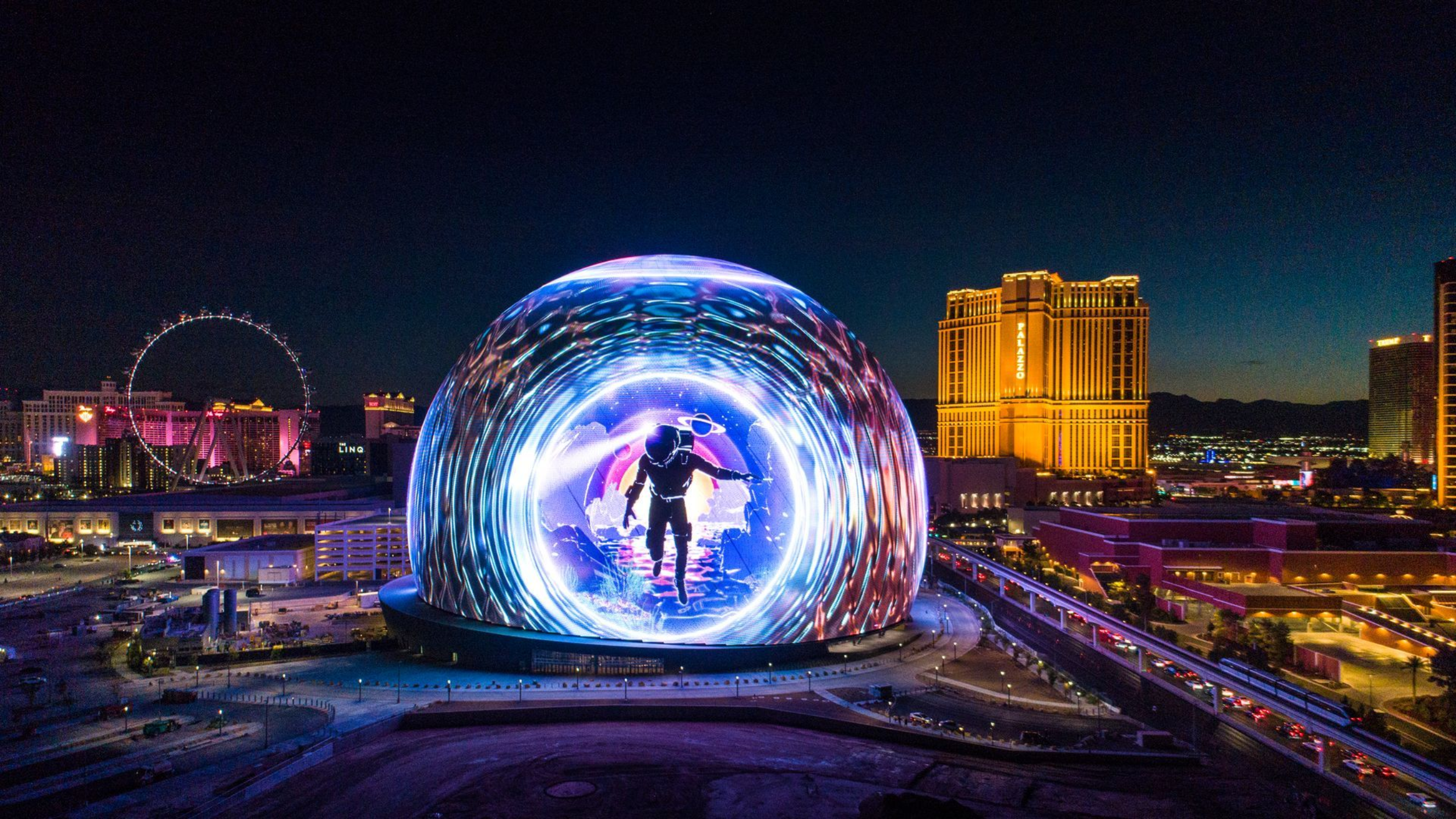
The official announcement of the launch of the Sphere project in Abu Dhabi will influence the real estate market in Abu Dhabi, …
The real estate market in Dubai enters a new stage amid raised global uncertainty, with buyers taking more time before signing. Now, …
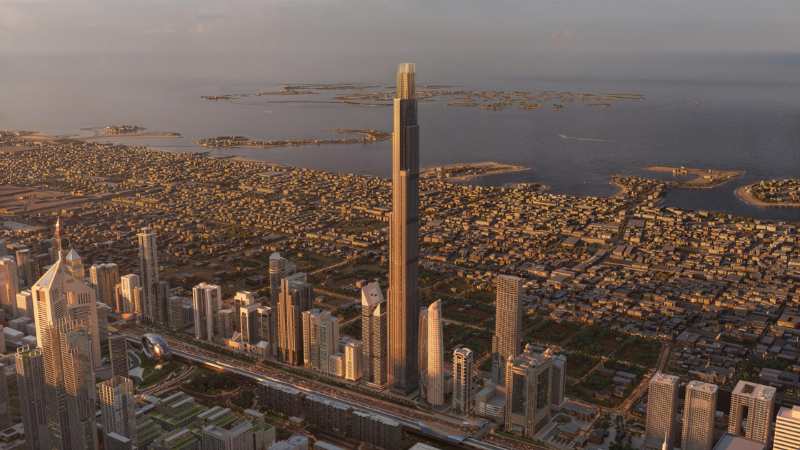
How much will an apartment in Burj Azizi cost? Dubai is going to host the second-tallest building of the world, as Azizi …
 Dubai enters 2026 with a resilient real estate market after one of its most active periods in history. Over the past few years, the volume of transactions reached all-time high levels, fueled by international investments, population growth, and economic diversification of the UAE.
However, recent geopolitical unrest has drawn the attention of the international community, with a relative escalation of conflicts and impending uncertainty prompting investors and buyers to consider the impact of these events on the real estate market in Dubai.
For 2026, analysts anticipate a moderate slowing of the growth pace, which translates to a normalizing of the market after successive years of accelerated expansion.
In parallel, the surge in the number of new homes delivered on the market, estimated at tens of thousands of units annually, could contribute to stabilizing prices and to a more sustainable evolution of the market.
This sort of adjustment is only natural for mature markets. Some analyses point to 5-15% corrections for prices in certain segments with a higher offer. However, property in premium areas and developments that offer high quality tend to maintain their value much longer.
There is no doubt that the regional conflict has had an impact on the investors’ sentiment. Regional stock markets have recorded volatility episodes and UAE stock indices have reacted temporarily to the escalation of tensions. Some of the companies present locally, and certain expats have adopted a more cautious attitude with regard to regional plans.
Nevertheless, from the perspective of the real estate market, the structural impact that the tensions in the GCC area has had remains limited. If the experience of the last two decades has taught local investors and businessmen anything is that the UAE, Dubai especially, has been significantly less affected than other markets from the Middle East, mainly thanks to its diversified economy, modern infrastructure, and its role as a regional hub. If anything, the leadership in the UAE has demonstrated utmost capacity to defend and ensure its residents and visitors’ safety and well-being amid unprecedented turn of events.
Paradoxically, the periods of instability consolidate Dubai’s positioning as a safe destination for investments. The city continues to attract international capital through its structural advantages, such as:
These elements have determined investors worldwide to carry on transactions and acquisitions in Dubai, driven by appealing yields and stability. It was especially the luxury segment, a signature market for the UAE, that demonstrated noticeable resilience with high-yielding transactions being recorded amid complicated geopolitical factors.
Given the current context, the measures that the developers resort to are maintaining liquidity, halting the dividends distribution to investors, and managing financial risks, prioritizing long-term stability and thus averting debt burden, according to a Fitch analysis.
From the perspective of our company’s CEO, Maria Mitrea:
“When dealing with a crisis, we must always look from two directions: short-term/medium-term impact and long-term impact.
In the short and medium term, there is definitely going to be a slowdown; new investors and home buyers will wait and analyze the situation and risk. At the same time, more experienced investors will see an opportunity and will start hunting for distressed deals.
Long term, the UAE will bounce back. Stronger. The history showed that whatever type of crises the UAE has dealt with, from the 2008 financial crisis to Covid and floods, the real estate market always bounced back stronger. The reason? The UAE’s way of handling the crisis yields higher trust and raises the investors’ appetite. ”Maria Mitrea, Arabian Sunrise Properties CEO
A password will be e-mailed to you